
AI will shape the future of B2B marketing, buzzwords will not
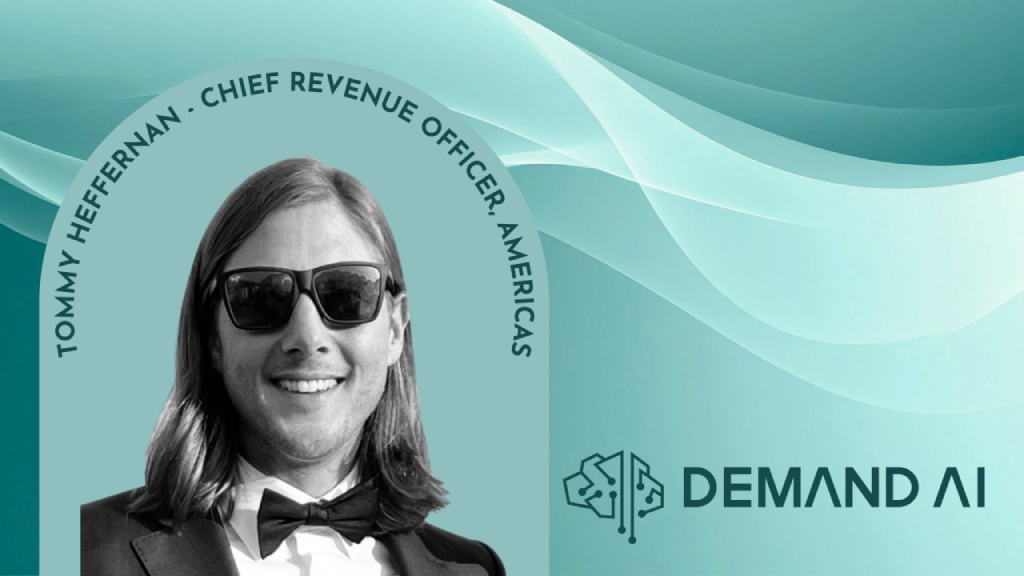
Thomas Heffernan, CRO, Demand AI
After several days speaking with marketing leaders at B2BMX in Carlsbad this week, one thing is clear: AI is now the central theme of almost every conversation in B2B marketing. Every vendor presentation, product demo, and hallway discussion referenced AI. The industry has reached a point where AI is no longer a side topic. AI is the lens through which marketers are evaluating technology, strategy, and partners.
But beneath the enthusiasm, there is a noticeable degree of scepticism.
The great AI washing
Across the show floor, countless platforms described themselves as ‘powered by AI’, ‘AI-enabled’, or ‘AI-integrated’. The language is everywhere. Yet dig deeper and often the underlying capabilities are nothing like as transformative as the messaging suggests. In many cases what is being presented as AI innovation is familiar marketing technology wrapped in a new interface: legacy systems with a chatbot bolted on the front.
This ‘GPT wrapper’ approach may create the appearance of modernization, but it often adds complexity without fundamentally changing how marketers reach or engage buyers. When AI is simply layered onto older processes, it will produce more dashboards, more automation sequences, and more fragmented workflows. Better buyer engagement? Not so much.
Marketers are increasingly aware of this gap.
The hunt for differentiation
What we heard repeatedly at B2BMX is that buyers of marketing technology are now looking beyond AI claims and focusing on genuine differentiation. The question is no longer whether a platform uses AI – almost every vendor says they do. The real issue is whether that AI changes the experience for the buyer or the marketer in a meaningful way.
Innovation, in other words, must be visible.
Marketers tell me that they want to see capabilities that genuinely improve how they connect with in-market buyers. They want to see products that rethink engagement, simplify execution, or reveal insights that were previously difficult to uncover. Many marketing leaders are also evaluating vendors through the lens of brand reputation: if they introduce a technology partner into their customer experience, that partner’s approach must reflect positively on their own brand.
That is why differentiation matters more than ever.
Transparency matters
Another strong theme from conversations at the show was transparency. Marketing practitioners are outcomes-focused, but they want to understand how their demand generation partners deliver results. The days when vendors could rely on opaque processes or vague performance promises are fading fast.
Marketers are asking deeper questions. How is the data collected? How are audiences identified? How are leads generated? What signals indicate real buyer intent? They want to know how the sausage is made.
This shift reflects a broader maturity in the market. As budgets tighten and accountability rises, marketing leaders must justify every program and partnership. Transparency is not just a preference – it is a prerequisite for trust.
And trust was perhaps the most important takeaway from the B2BMX event.
Help is at hand
Marketers are clearly looking for help. The complexity of modern B2B marketing – fragmented channels, longer buying cycles, larger buying committees, and now AI-driven research behavior – means that internal teams cannot solve every challenge alone. Increasingly, they are leaning on external partners to provide technology and strategic guidance.
But while marketers are open to that support, the bar for trust is significantly higher than it used to be. Vendors must demonstrate not only that their technology works, but also that they understand the buyer journey, respect the marketer’s brand, and operate with complete transparency.
The message from B2BMX was clear: AI will shape the future of B2B marketing, buzzwords will not.
Real innovation, meaningful engagement, and trusted partnerships will. Talk to me or any of my colleagues at Demand AI if that is something you want to explore.
Leave a Reply